Innovation in water regeneration by solar chloro-photo-Fenton on a demonstration scale (INACUA)
DGF_PLSQ_2023_00330

Project summary
The effects of urban development and climate change have led to a scenario of generally increasing water scarcity. The extreme situation in which Andalusia finds itself has led to the implementation of extraordinary measures to seek innovative solutions to deal with the consequences of the drought. One effective and sustainable solution is the reuse of effluent from municipal wastewater treatment plants (WWTPs). To promote the safe reuse of reclaimed wastewater, the new European Regulation on minimum requirements for water reuse establishes a classification of different qualities of reclaimed water according to the use and method of irrigation in terms of disinfection limits. In addition, it includes a risk management plan to promote the identification and assessment of potentially hazardous agents, such as pollutants of emerging concern, which have not yet been regulated. Therefore, there is an urgent need to develop new sustainable alternatives to conventional treatments, avoiding the formation of disinfection by-products (DBPs) and removing micropollutants, which is not possible with chlorination. To address this challenge, a new strategy based on the operation of the solar photo-Fenton process at neutral pH with the simultaneous addition of hydrogen peroxide (H 2 O 2 ) and sodium hypochlorite (NaClO) is proposed. The combination of the bactericidal power of NaClO with the ability of the photo-Fenton process to remove micropollutants allows both objectives to be achieved, thus reducing the treatment time compared to other solar processes. However, with a view to commercial application, the operational feasibility of the continuous flow process needs to be investigated, along with the monitoring of disinfection by-products. Furthermore, empirical modelling of the process is a feasible and robust alternative for the control and optimization of the operation of demonstration photoreactors. In this context, the INACUA project focuses on the application of the chloro-photo-Fenton process in continuous solar reactors equipped with novel operation and control tools to regenerate wastewater for reuse in agricultural irrigation according to Regulation (EU) 2020/741, without harmful DBPs. To this end, the following specific objectives will be addressed:
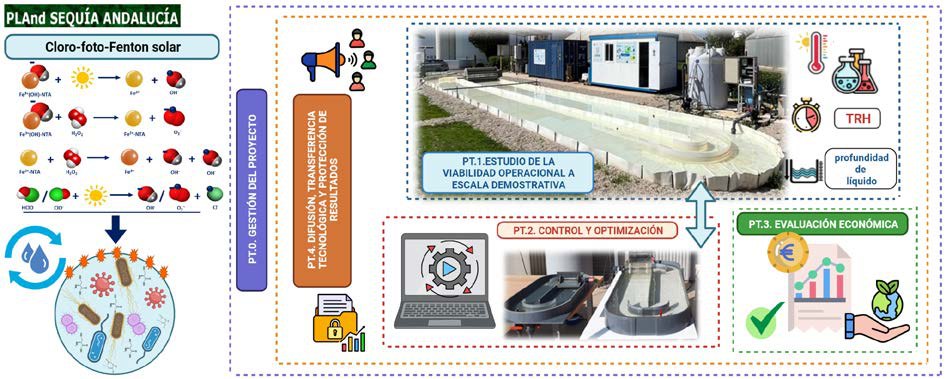
Phenomenological study of the solar chloro-photo-Fenton process at pilot scale. Assessment of the operational feasibility of the process at demonstration scale. Empirical modelling of the process. Design of a control strategy to optimize the continuous flow operation. Implementation of the control strategy on a demonstration scale. Evaluation of the economic viability of the process from the perspective of environmental sustainability.
Project objectives
The overall objective of INACUA is to demonstrate the feasibility of the solar chloro-photo-Fenton process to regenerate wastewater suitable for agricultural irrigation. It is broken down into six specific objectives:
- O.1 · Phenomenological study of the CFFS process at pilot scale and removal of the target contaminants.
- O.2 · Operational feasibility of the process at demonstration scale.
- O.3 · Empirical modelling of the process, correlating input and output variables.
- O.4 · Control strategy to optimise continuous-flow operation.
- O.5 · Control implementation at demonstration scale.
- O.6 · Economic and environmental feasibility of the process from a sustainability perspective.
Project activities
The work is organised into four work packages: WP.1 Study of the process operation, WP.2 Control and optimisation, WP.3 Economic and environmental assessment, and WP.4 Dissemination and transfer.
WP.1 · Study of the CFFS process operation
A.1.1 · Characterisation of the secondary effluent from the WWTP (physicochemical and microbiological parameters).
A.1.2 · Effect of the operating variables (temperature, Fe³⁺-NTA, NaClO, irradiance): complete removal of benzotriazole and instantaneous inactivation of E. coli (class A) were achieved.
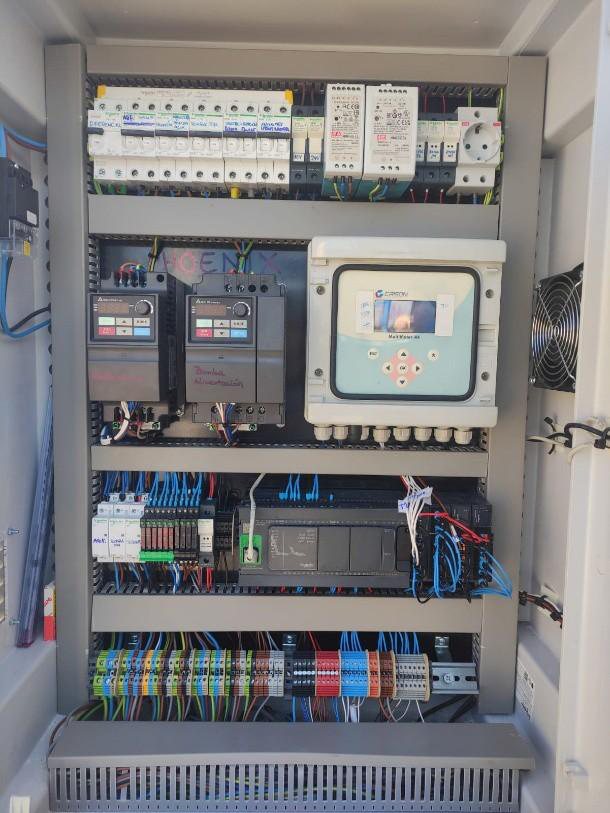
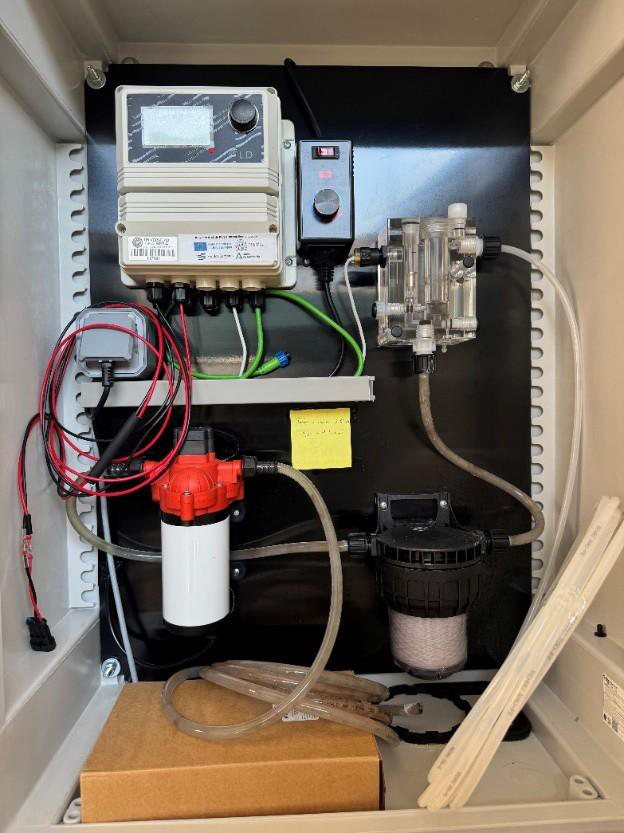
A.1.3 · Upgrade of the demonstration plant: automation system update, reagent dosing pumps, sensors and a submersible pump to feed the reactor.
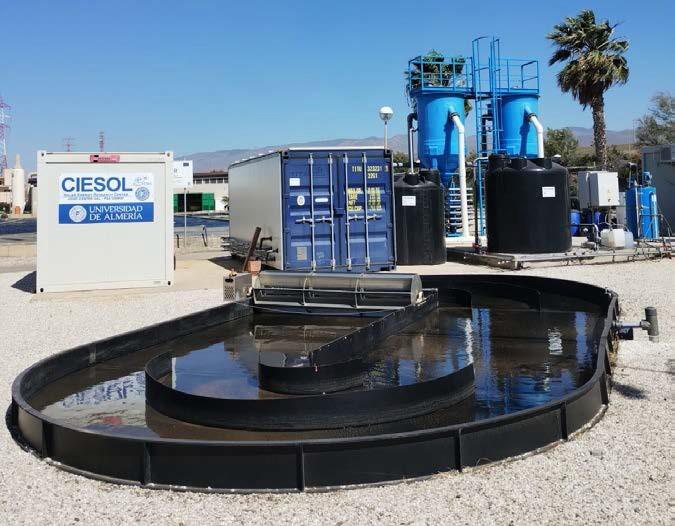
A.1.4 · Validation at demonstration scale (37 m² plant, 3.40 m³/h): up to 60% removal of micropollutants and Class B water quality.
A.1.5 · Monitoring of DBPs: trihalomethanes and haloacetic acids well below the regulatory limits.
WP.2 · Process control and optimisation
A.2.1 · Empirical modelling: a semi-empirical model coupling disinfection and micropollutant removal (error < 20%), with an operating cost of about 0.78 €/m³.
A.2.2 · Control strategy that adjusts reagent dosing in response to solar irradiance in real time (up to 78% fewer constraint violations).
A.2.3 · Assessment of the control system at pilot scale with online instrumentation: redox potential (ORP), free chlorine and H₂O₂ probes in raceway reactors.
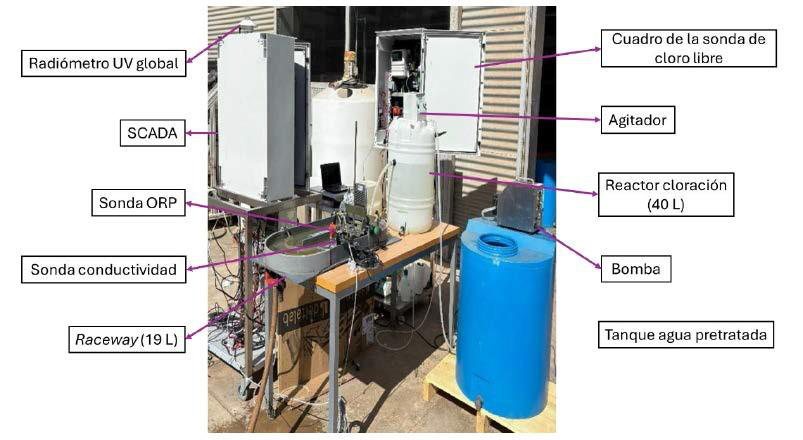
A.2.4 · Implementation and validation of the control at demonstration scale: the control system has been implemented in the demonstration plant; validation is ongoing.
WP.4 · Dissemination and transfer
Project website, layman's report, closing workshop, and presence at conferences and in the media (see Dissemination & news).
Main results
Charts from the report
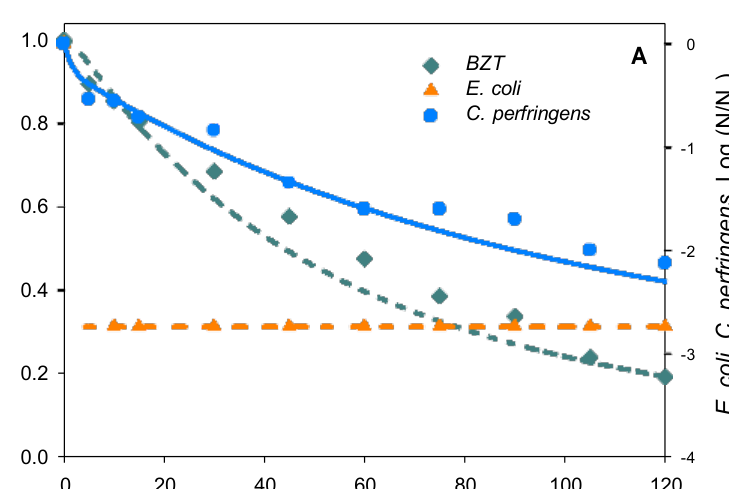
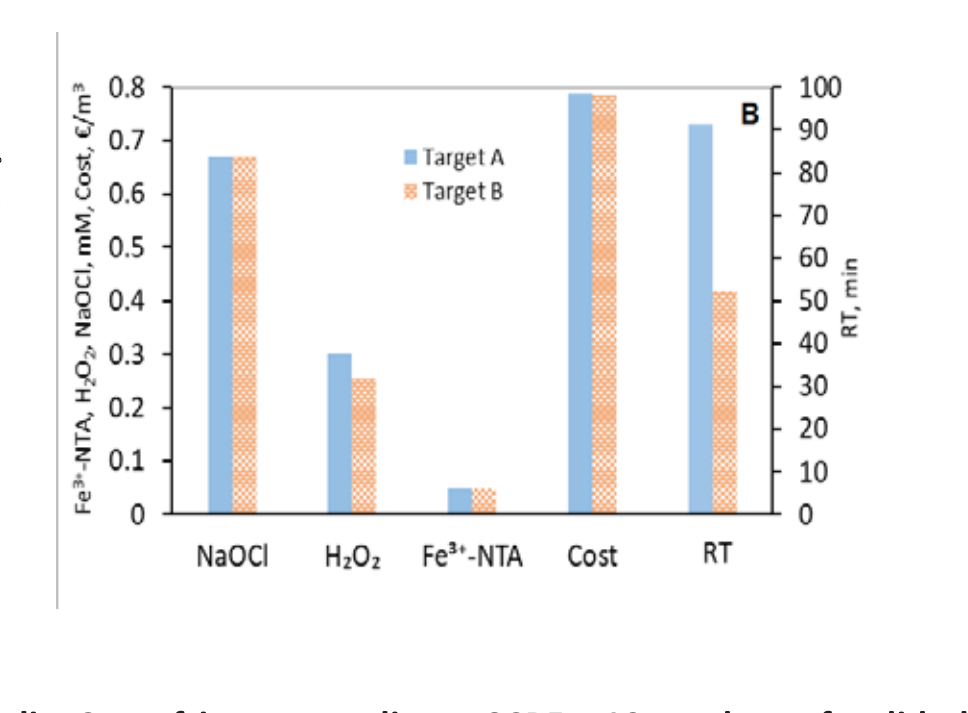
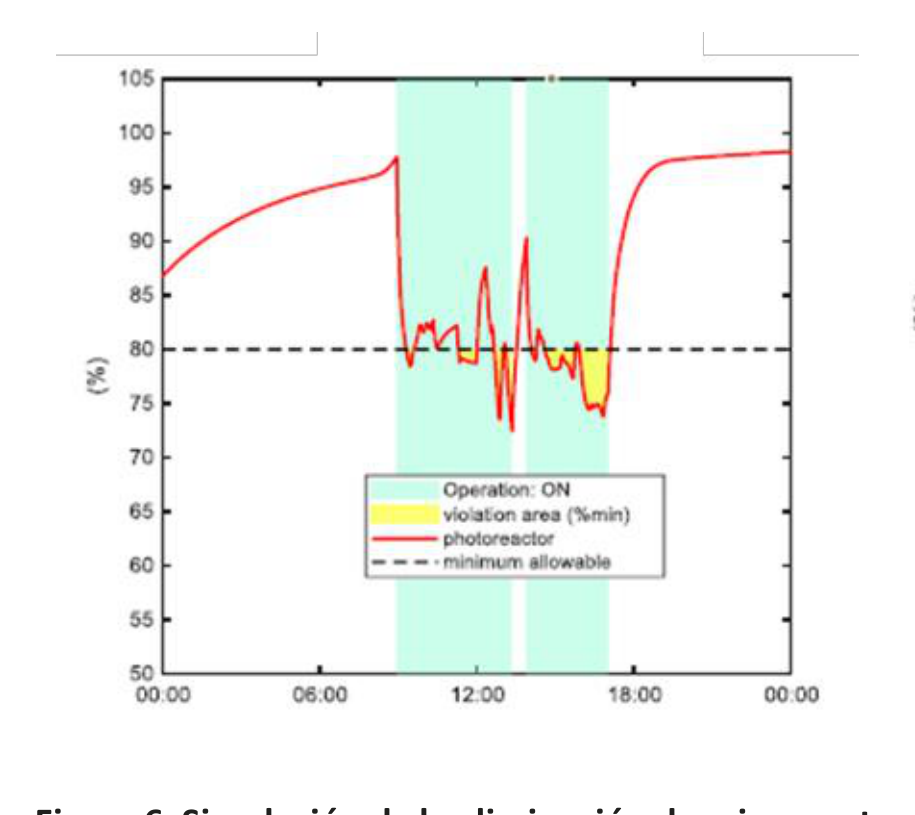
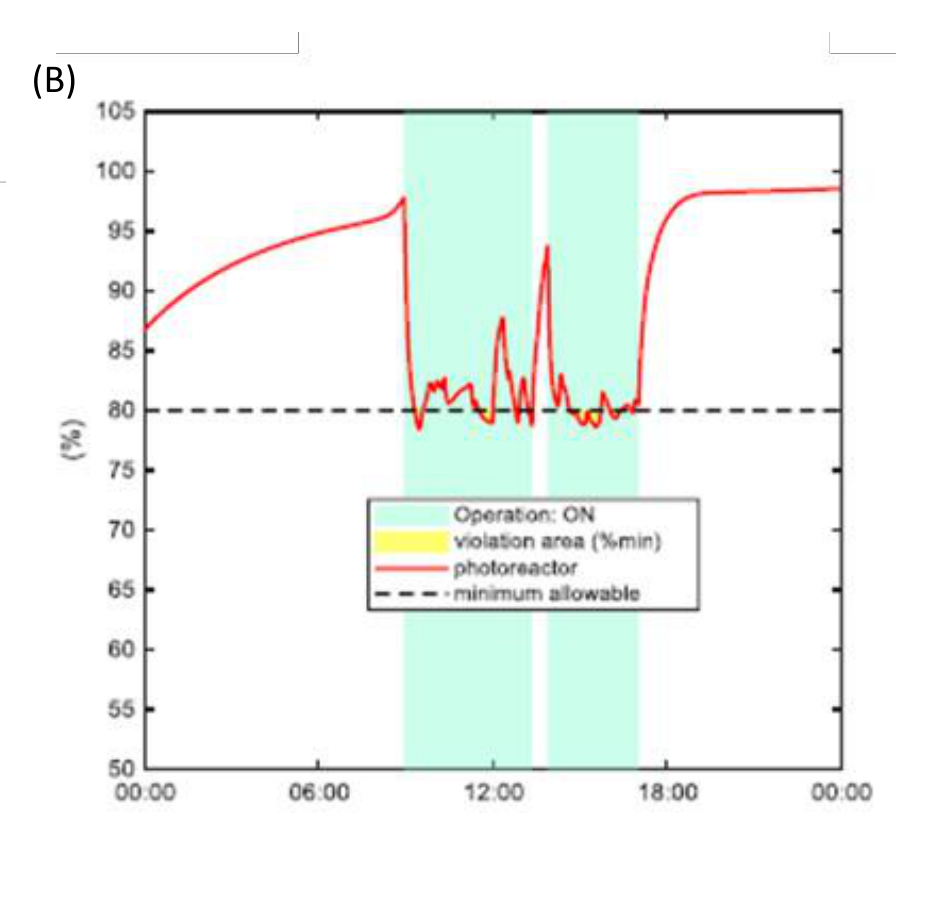
The CFFS process demonstrates the simultaneous removal of pathogens and micropollutants while minimising chlorination by-products, with a sustainable approach based on solar energy: it helps mitigate water scarcity and reduce the water and carbon footprint.
Dissemination & news
Scientific publication
Belachqer-El Attar et al., Journal of Water Process Engineering, 77, 108616 (2025). Further results in preparation and to be presented at IWA 2026, META 2026 (16th Spanish Congress on Water Treatment) and ECC 2026 (24th European Control Conference).
In the media and outreach
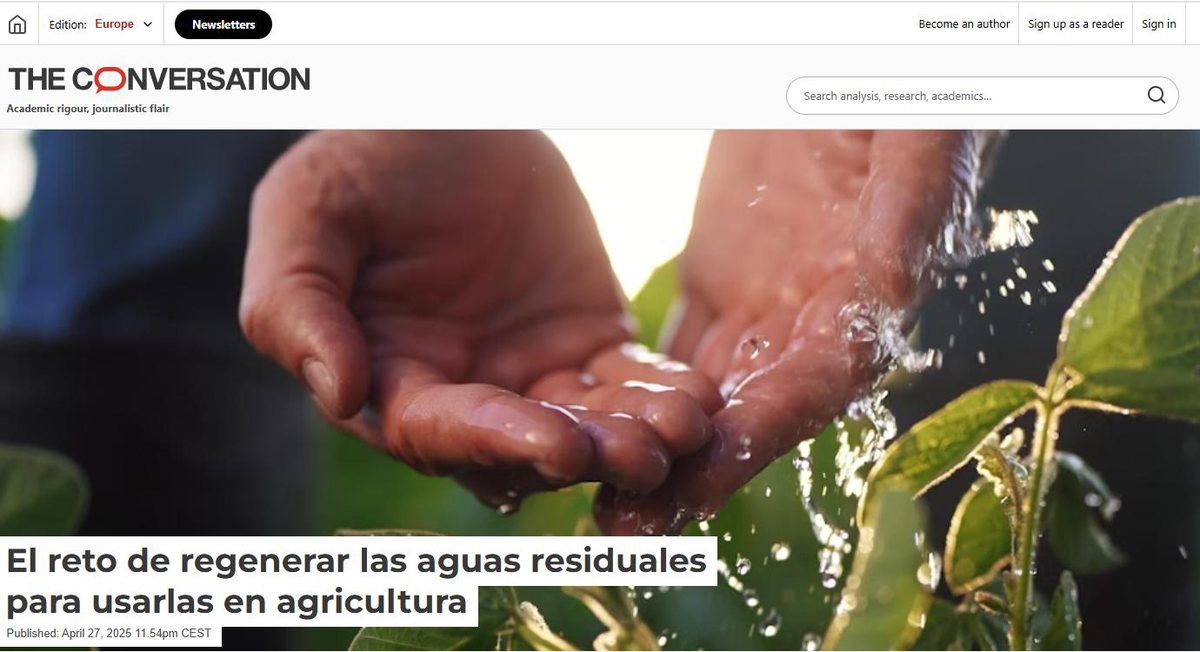
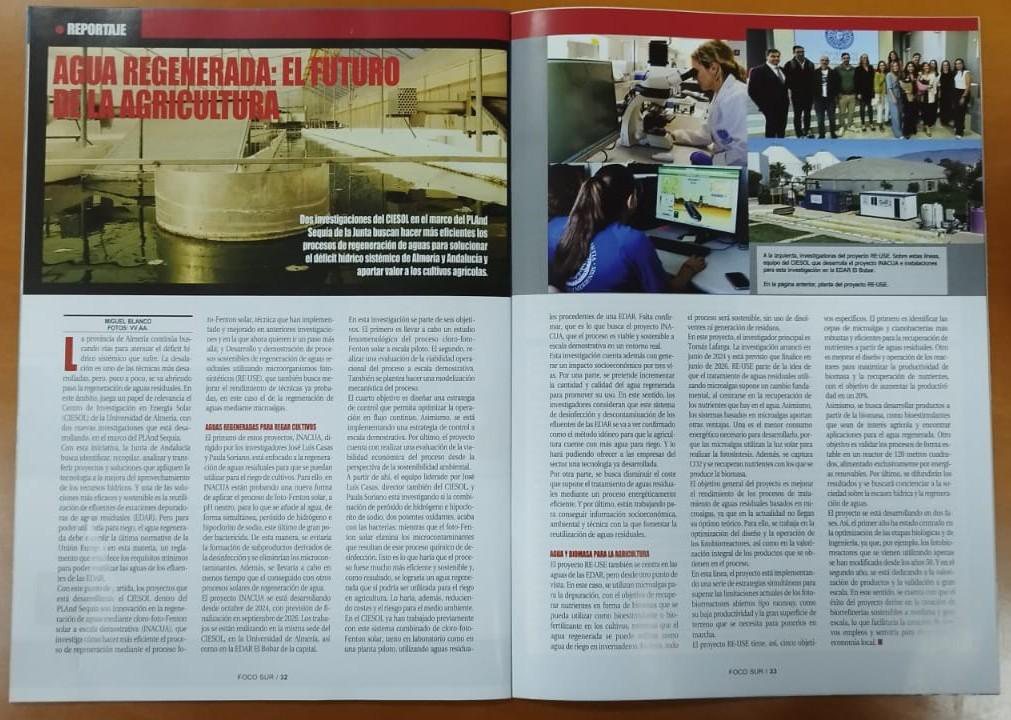

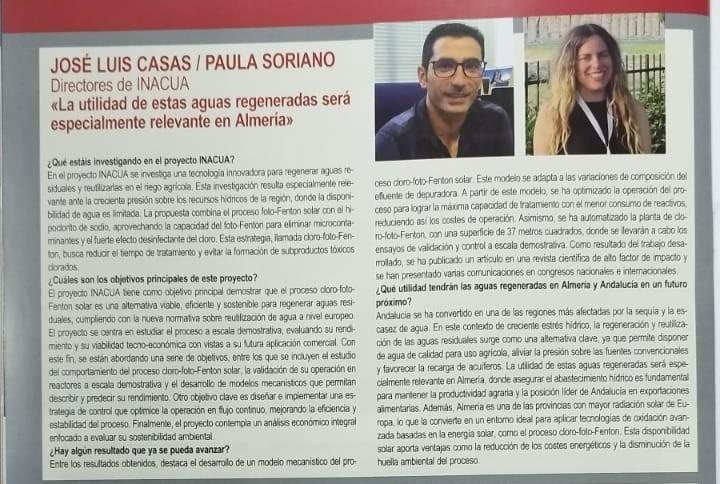
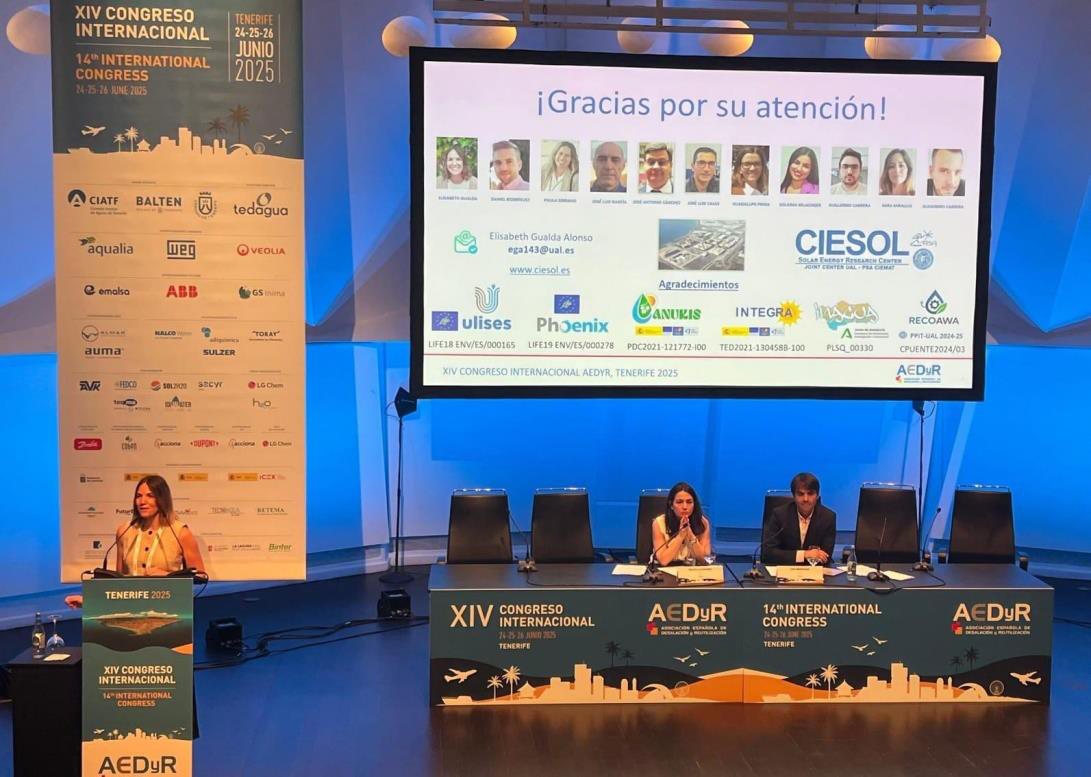
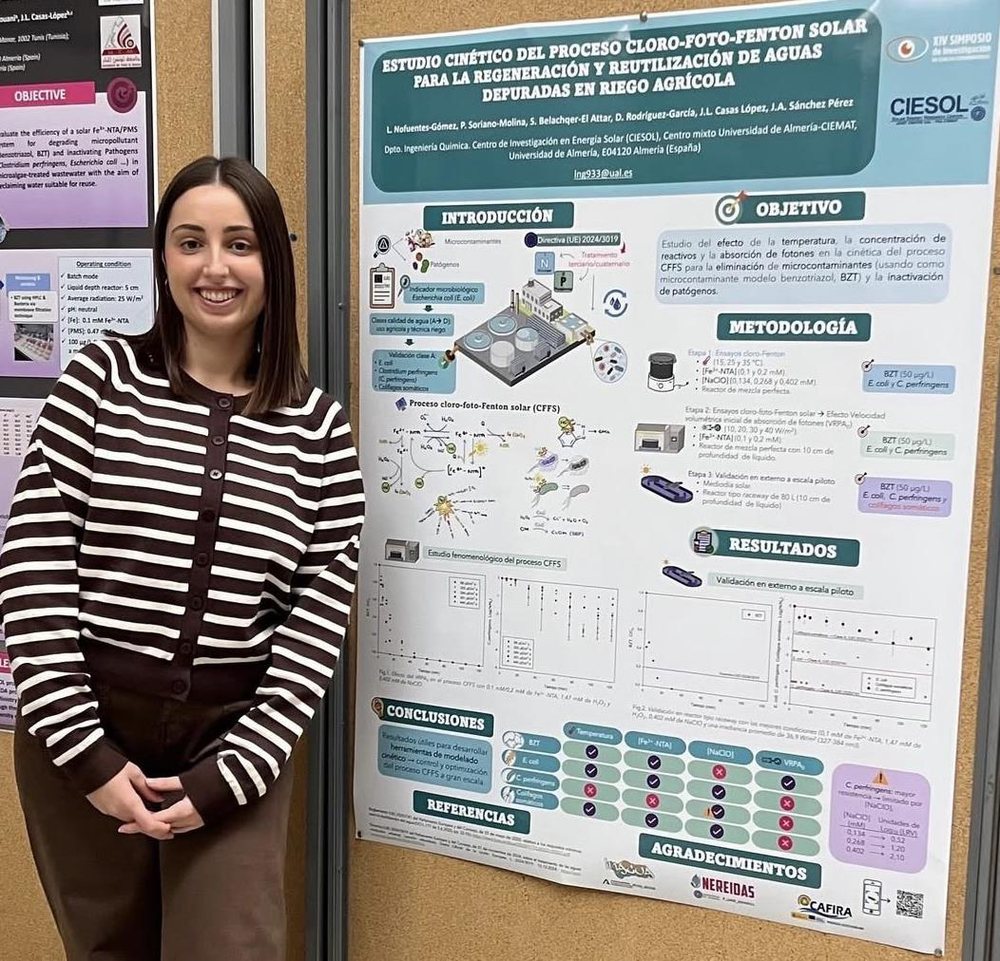
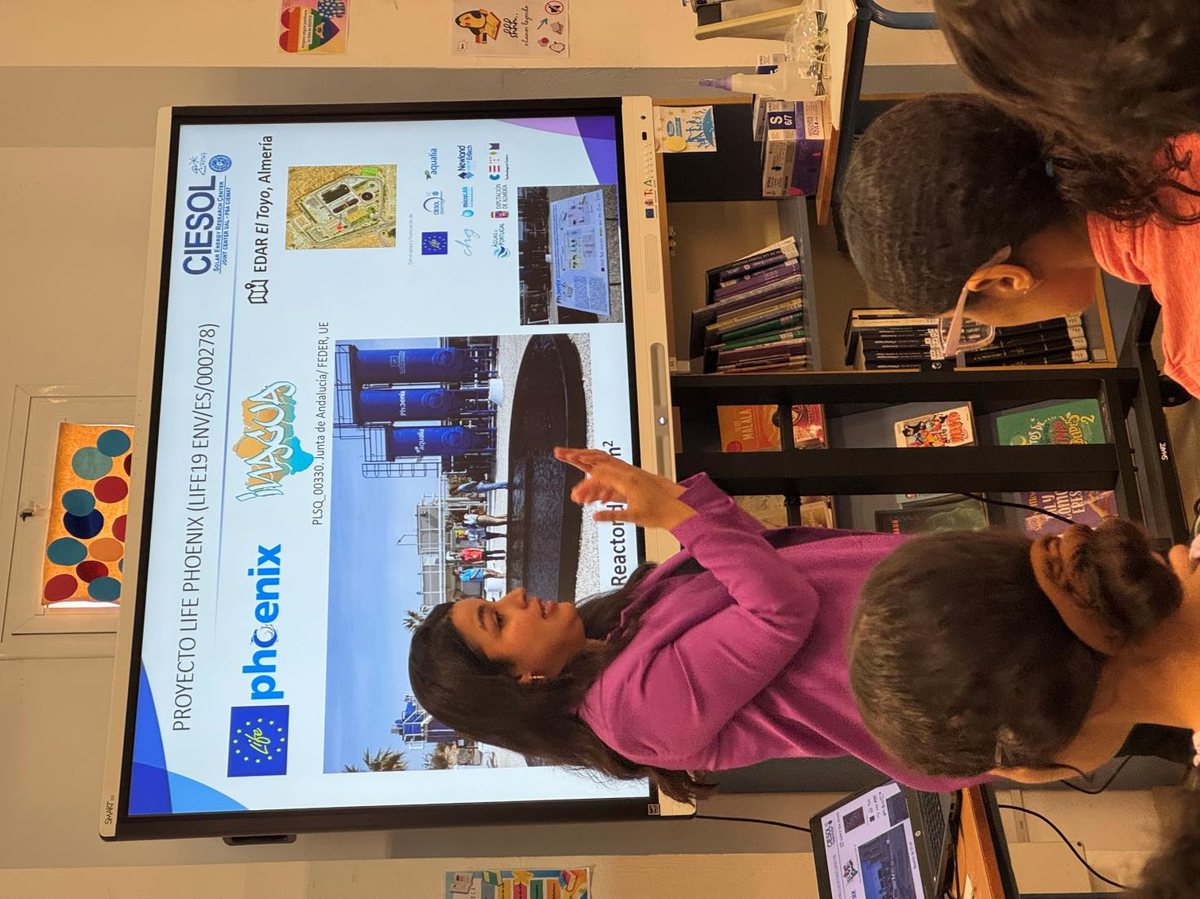
The project has produced several Bachelor's and Master's theses and communications at the 14th Symposium on Research in Experimental Sciences, contributing to the training of new research staff.